Compare blasting method, machine fit, and abrasive choice faster.
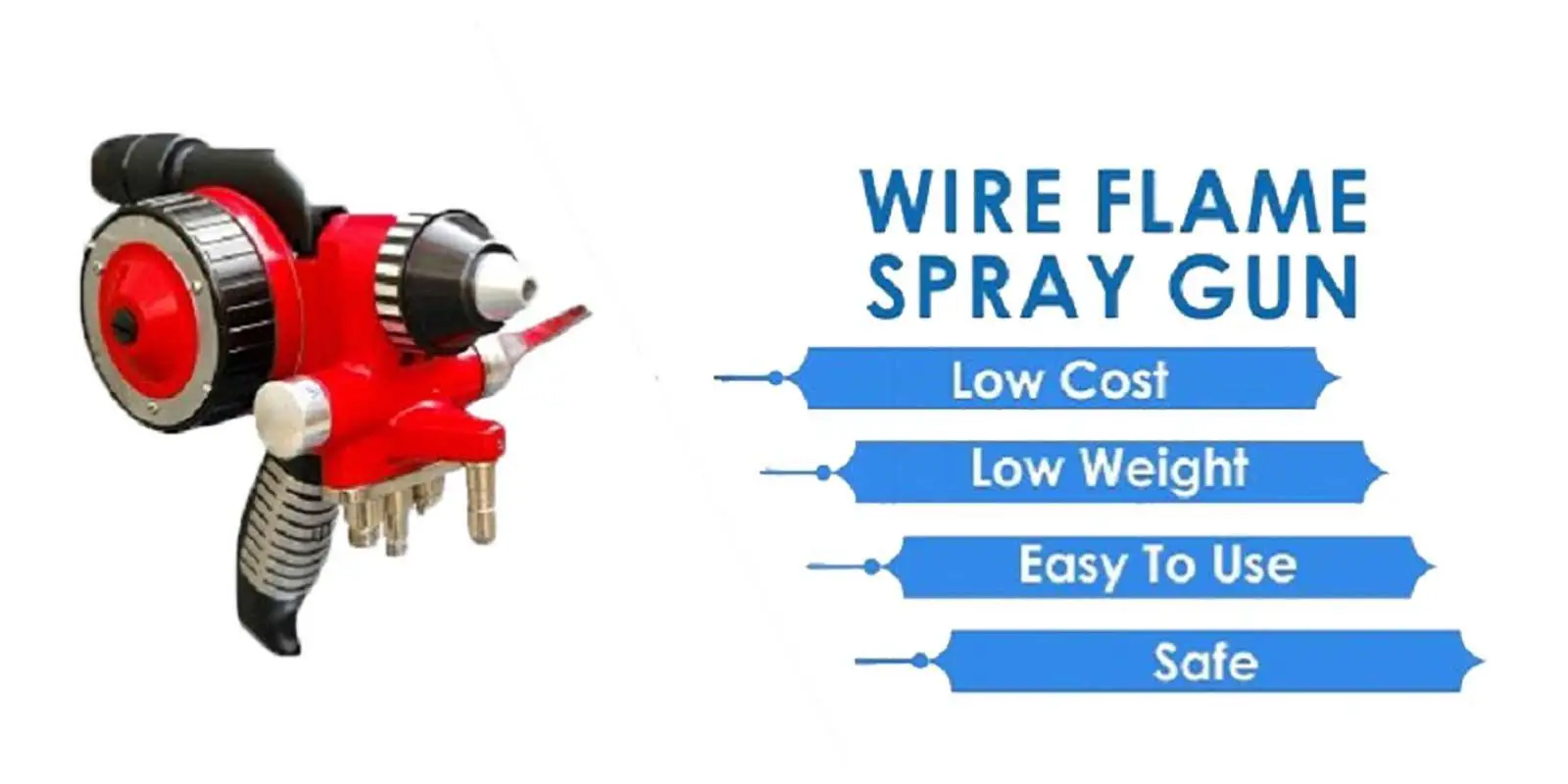
Wire Flame Spray Gun
Wire flame spray gun uses a single wire that is fed into a spray flame. The temperature is near 10,000 K, melting the wire. The air stream from the jet atomizes the heated particles, moving them onto the substrate. The technical parameters, such as feedstock, flame spray gas formation, flow rate, and energy information, play a large role in the connection between the particles and the substrate. The Wire Flame Spraying Process is essentially the spraying of heated metal onto a surface to provide a thermal spray coating. The substance in the wireframe is melted in a flame (oxyacetylene flame most popular) and atomized using compressed air to create a fine spray.
Wire Flame Spraying Process
When the spray touches the fixed surface of the substrate material, the fine molten droplets rapidly solidify creating a coating. This process took out perfectly is called a "Cold Process" (relative to the substrate substance being spread) as the substrate temperature can be maintained low during processing. In the wire flame spraying method, the atomizing air can provide finer droplets, which in turn may create finer and softer coatings. In flame spray methods, fuel/oxygen rate and total gas flow rates are modified to produce the wanted thermal output required to meet the particular feedstock supply. Optional air jets, downstream of the combustion region, may also further improve the thermal characterization of the flame. Spray gas rates typically are below 100 m s−1, creating particle speeds up to almost 80 m s−1 before impact.
Technical Advantages:
Economic Advantages:
- Higher deposit efficiency with low melting point materials such as aluminum and zinc.
- Lower initial equipment.
Operational Advantages:
Need a quote or brochure after reading this article?
Move directly from information to enquiry if you want machine details, pricing support, or help choosing the right product.