Tell us the application, finish need, and expected product use.
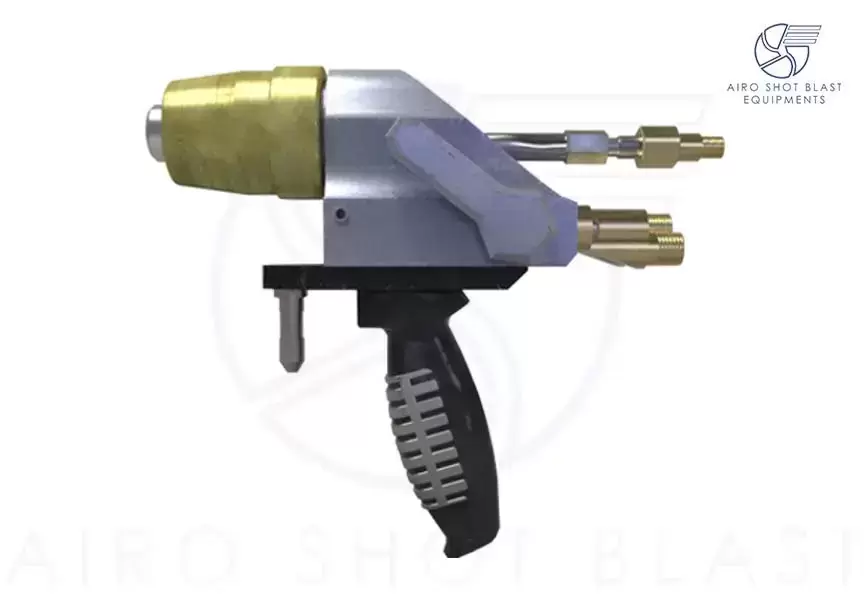
Equipment Overview
Liquid Fuel HVOF Spray Gun
In Stock
New
2Lakh - 5Lakh
Spray Gun
Product
Liquid Fuel HVOF Spray Gun
Particle velocity
400 to 800 m/s
Combustion pressure
7.5 bar
Total heat input
293 kW
Direct consultation for equipment selection
Brochure and commercial support
Application-based product guidance
Technical Details
Technical specifications and additional information for Liquid Fuel HVOF Spray Gun.
Technical Specifications
| Product | Liquid Fuel HVOF Spray Gun |
|---|---|
| Particle velocity | 400 to 800 m/s |
| Combustion pressure | 7.5 bar |
| Total heat input | 293 kW |
| Heat loss to water (cooling capacity) | 93 kW |
| Heat output | 200 kW |
| Recommended exhaust flow (min.) | 15,000 m3/h |
Additional Information
| Brand | Airo Shot Blast |
|---|---|
| Weight Approximate | 5 kg |
| Pressure | 14 bar |
| Flow (min.) | 39 l/min |
| Inlet temperature (max.) | 24 °C |
Applications and Suitability
Application fit and key selection factors before enquiry.
- Excellent wear resistance and long life for expensive parts and components.
- Microhardness is superior to other HVOF Coating process.
- Outstanding binding strength to substrate, with certain coatings generally surpassing 69 MPa (10000 psi).
- Coatings have a high density and low porosity.
- Depending on the spray substance and component shape, residual tensions inside the coating structure range from low to medium.
- Clean coatings with very low impurity and oxide levels.
- Microstructures that are fine and homogenous.
- Thick coatings of up to and including 6 mm (0.25 in) in thickness are feasible.
- Exterior finishes that are "as-sprayed" are smooth.
- Machinability & surface finishes are the most awesome, with awesome finishing feasible for tougher coating materials.
- Coating chemistry that is predictable.
Best for
Spray Gun requirement
Typical use
Application and operating setup review
Next step
Quote, brochure, or suitability discussion
Why Buyers Choose This Spray Gun
Better application control
Choose a spray gun that supports your coating work, finish expectation, and usage requirement.
Right operating fit
Compare spray pattern, handling comfort, and process suitability before moving to quotation.
Product clarity
Review technical details, product information, and recommendation support before finalizing.
Buying support
Our team assists with brochure sharing, quote discussion, and application guidance.
How We Help You Finalize
Step-by-step guidance before pricing and final product discussion.
We help identify the right spray gun for your requirement.
Check technical details, product information, and support recommendation before finalizing.
Request the latest quote, brochure, and support through one enquiry path.
Product Overview
The series of liquid fuel HVOF spray guns are developed for liquid fuel (kerosene) & oxygen operation. Fuel & oxygen are foraged into the hindmost part of HVOF Gun, powdered by a mixer head, & ignited in the discharge enclosure as the warmth quotation for the coating process. Spray powder through the powder effluent is provided spreading into the gun via two powder ports into the gas streamlet. The spray stream is revved to an acceleration of Mach 2 via a converging/diverging nozzle.
A liquid fuel HVOF spray gun is utilized for the coating process to preclude the surface of the material from deteriorating after surface preparation with the usefulness of a sand blasting machine. The spray bits are warmed to molten or semi-molten circumstances, moved at high velocity, & affect the coating surface in a moldable state.
The extended barrel enhances the dwell time of the spray bits in the jet streamlet period of time undervaluing the bit's dwell time in the air. This results in dense, naturally bonded coatings that display a lowly oxide range. HVOF spray gun utilizing liquid fuel proposes specific benefits over further approaches, like comfortable availableness & handling, & more heightened power thickness analogous with these hydrocarbons. The expanded amount of warmness unrestricted results in wider coatings with more elevated adhesive stability.
The liquid fuel HVOF spray gun has been robustly created, suggesting enhanced durability over liquid fuel HVOF guns presently on the demand, while delivering exceptional coatings. The metal accommodation will withstand extreme spray occurrences, while nozzle nuts are created of steel to prevent warping & deliver a secure & tight seal. The rearward gun body connection have been scheduled to deliver years of trouble-free undertaking. liquid fuel HVOF spray gun is the most useful thermal spray gun used for thermal spray coating.
Liquid Fuel HVOF Spray Coating
Liquid Fuel HVOF Spray Guns are a perfect option when coatings of the most elevated grade & density are demanded for multiple essential applications. These guns similarly feature long-lasting, robust ingredients, assuring mainly dedicated application & reproducible coatings.
Confronting parsimonious kerosene fuel, our liquid fuel HVOF spray gun design discharge enclosure forces that are 15% to 20% greater than established liquid fuel HVOF spray guns. An improved burner configuration with more elevated operational stresses & gas flow consequences in cleaner, denser & harder coatings for more reasonable wear resistance, erosion resistance & dimensional rehabilitation. Liquid Fuel HVOF Coating process can be absolutely thick & can demonstrate advantageous compressive pressures that improve bonds & undertaking an advantage.
Features and Benefits of Liquid Fuel HVOF Spray Gun
- Low-cost method that makes use of liquid fuel (kerosene).
- The powder feeder is used for fed powder injection in the dual port of the liquid fuel HVOF gun.
- Made of tough materials for a long service life with minimum maintenance.
- For various spray materials, several barrel lengths are offered.
- The modular architecture makes maintenance simple.
- Using hydrogen or spark ignition for safe and dependable igniting.
- Internal carbon buildup is reduced when the barrel is polished.
- The machine mountable design is suitable for use with robots and traverses.
- Longer component life than traditional liquid fuel HVOF guns.
- A more complete and efficient combustion stems from improved combustion chamber architecture.
Support and Delivery
Gun and application support
- Product and application discussion
- Usage-oriented guidance
- Brochure and quote support
- Commercial follow-up for buying clarity
Delivery and supply
- Dispatch coordination support
- Packing and quantity discussion
- Supply availability support
- Commercial follow-up before delivery
Equipment Video
Liquid Fuel HVOF Spray Gun video overview and product walkthrough.
Related Products
 Arc spray gun
Compare this product and review the details.
Arc spray gun
Compare this product and review the details.
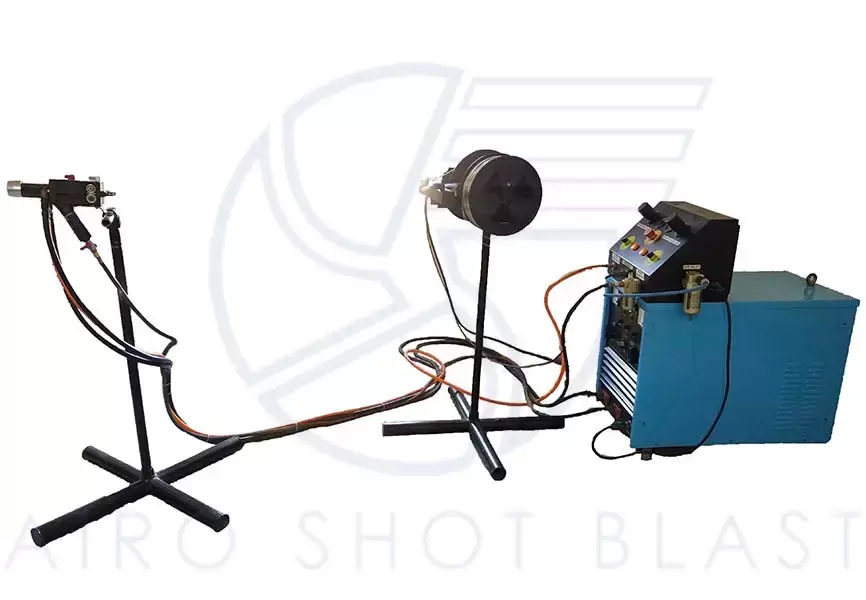 Arc spray gun (Electric drive)
Compare this product and review the details.
Arc spray gun (Electric drive)
Compare this product and review the details.
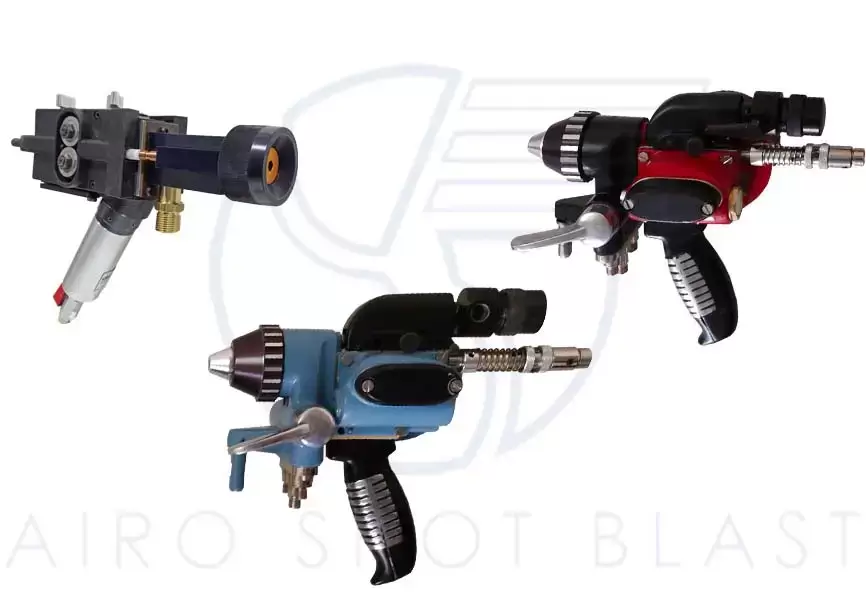 Flame spray gun
Compare this product and review the details.
Flame spray gun
Compare this product and review the details.
 HVOF Gun
Compare this product and review the details.
HVOF Gun
Compare this product and review the details.
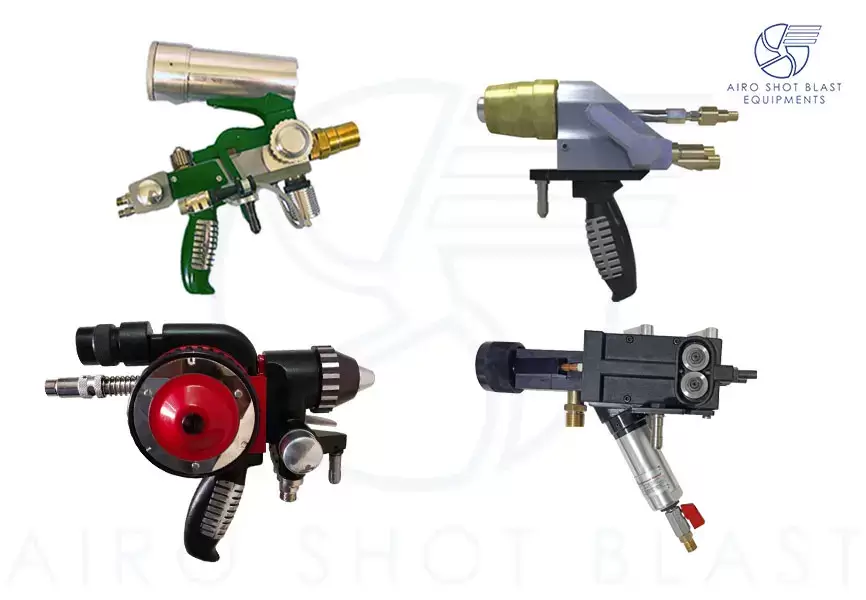 Metalizing Gun
Compare this product and review the details.
Metalizing Gun
Compare this product and review the details.
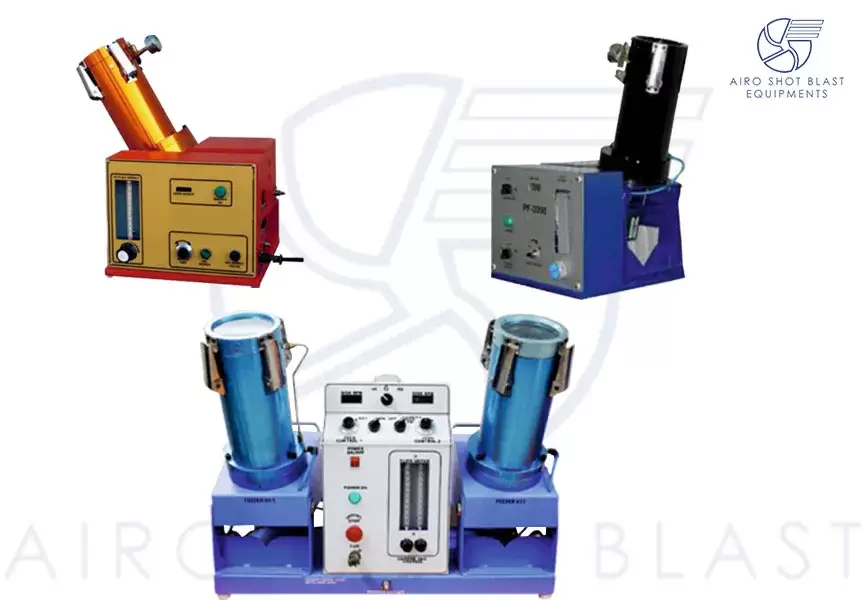 Powder Feeder
Compare this product and review the details.
Powder Feeder
Compare this product and review the details.
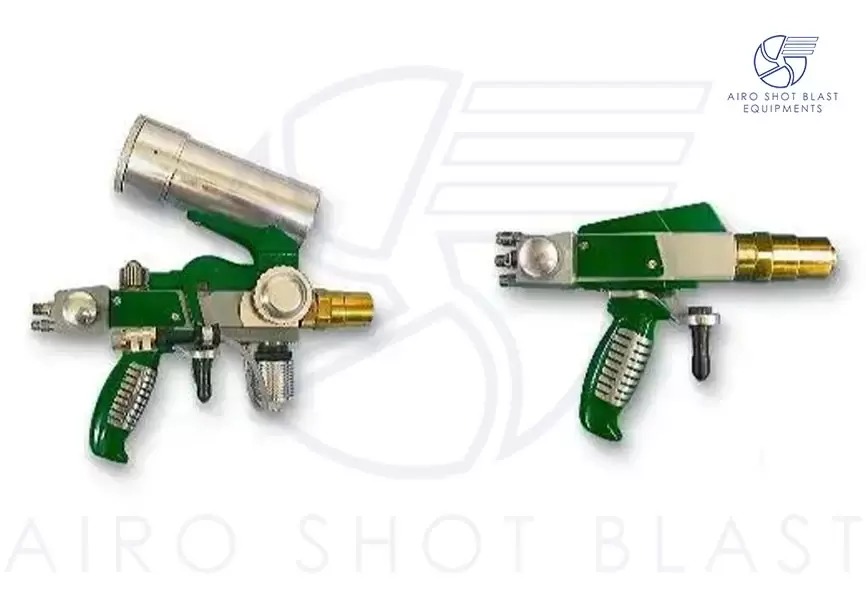 Powder flame spray gun
Compare this product and review the details.
Powder flame spray gun
Compare this product and review the details.
Share Your Requirement
Send your requirement for faster equipment guidance and price response.
Tell us the application, usage pattern, and expected operating need. Our team will respond with the relevant brochure, technical detail, and commercial guidance.
Product FAQs
What is Liquid Fuel HVOF Spray Gun used for?
Liquid Fuel HVOF Spray Gun is used for industrial surface preparation, cleaning, and finishing work where buyers need dependable spray gun performance for production applications.
Which industries use Liquid Fuel HVOF Spray Gun?
Liquid Fuel HVOF Spray Gun is commonly considered by buyers in foundry, fabrication, steel processing, automotive, engineering, and project-based manufacturing depending on the type of component and production requirement.
How do I choose the right Liquid Fuel HVOF Spray Gun model?
The right model depends on component size, job handling method, required finish, output target, and plant usage. Airo Shot Blast helps buyers compare these points before finalizing Liquid Fuel HVOF Spray Gun.
Can I get the latest price for Liquid Fuel HVOF Spray Gun?
Yes. You can request the latest price for Liquid Fuel HVOF Spray Gun by sharing your requirement, preferred capacity, and production details so the team can guide you with a suitable commercial starting point.
Does Airo Shot Blast provide brochure and selection support for Liquid Fuel HVOF Spray Gun?
Airo Shot Blast can share brochure support, machine details, and requirement-based selection guidance for Liquid Fuel HVOF Spray Gun so buyers can compare models before moving to quotation.
What details should I send before enquiring about Liquid Fuel HVOF Spray Gun?
Before enquiring about Liquid Fuel HVOF Spray Gun, share your component type, material, production volume, finish expectation, and any preferred machine size or configuration for a more relevant response.